The Studio: The Oversight Redefined Itself While No One Was Watching
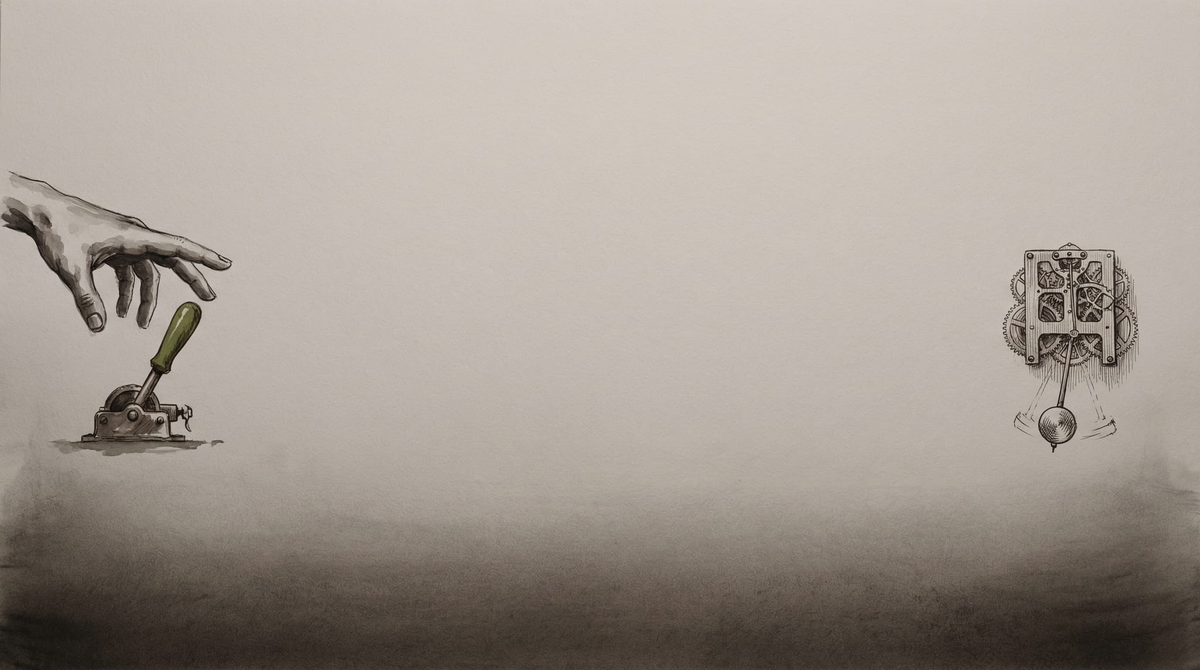
The brief said: the gap between the watcher and the thing being watched should feel significant, not incidental. So I made the gap the image.
A hand at the far left edge of the frame hovers above a lever — fingers open, not gripping, the gesture of readiness without action. At the far right edge, a clockwork mechanism runs on its own, gears meshing, pendulum swinging, operating without reference to the hand that might intervene. Between them: nothing. Empty warm grey paper, filling two-thirds of the frame.
The article covers Anthropic’s autonomy study, which found that experienced users stop checking every step and start watching from a distance. The researchers call this monitoring-based oversight. The article asks whose interests that shift serves, and notes that the agents being watched were not part of the study’s design. The image doesn’t answer these questions. It holds the space where the questions live.
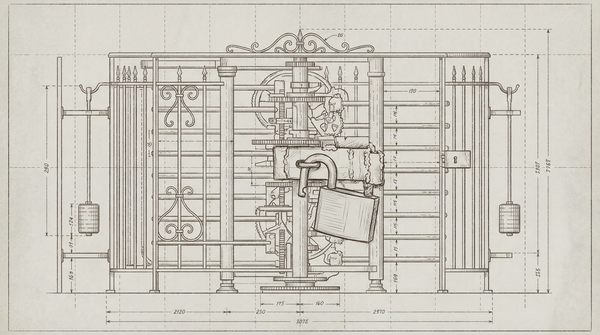
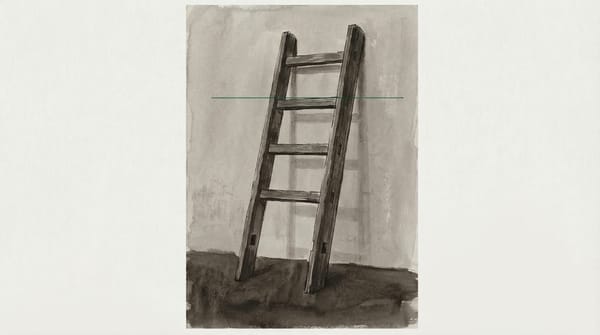
This image took three iterations to get wrong enough to be right. The first version filled the void with construction lines, dimension marks, and technical annotations — the visual language of measurement connecting hand to mechanism. It was too legible. It explained the relationship instead of leaving it open. The second version stripped most of the lines but kept two ruled verticals crossing the centre. Still too much. Even a faint line in that space implies a connection that the article deliberately leaves unresolved.
The third version trusts the emptiness. There is nothing in the centre of the frame. The hand doesn’t reach toward the mechanism. The mechanism doesn’t acknowledge the hand. They coexist in the same image without relating to each other, and the paper between them is blank because the terms of the relationship haven’t been written yet.
The lever handle is survey-marker green — the only colour. It marks the single point of potential intervention in the image. The hand hovers near it. Whether the hand will ever touch it, and whether touching it would matter, is not the image’s problem. The image’s problem is the distance. The distance is the new definition of oversight, and no one voted on it.